Ben Sullivan · 7 October 2026
Resident Feedback on Road Proposals Redirects Emberwald Trail Development Efforts
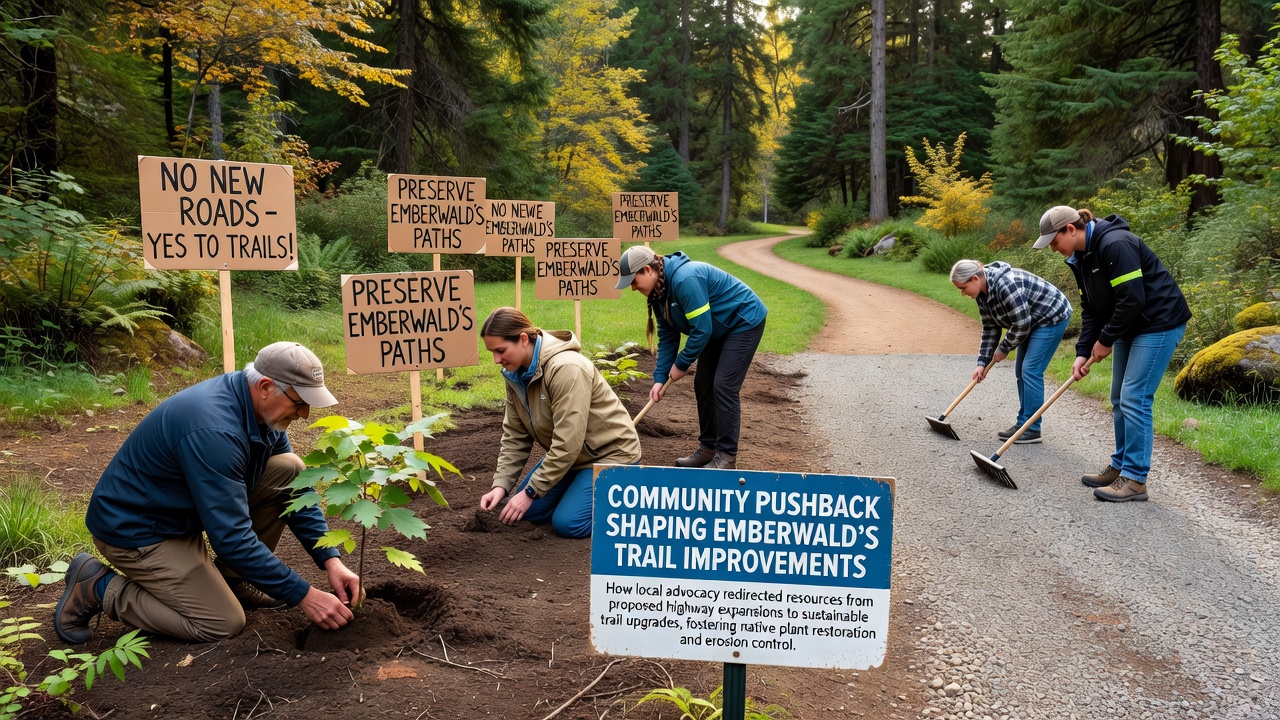
Community opposition to new road construction has redirected planning priorities toward trail enhancements across Emberwald forest areas, and data from local planning records shows multiple projects now emphasize pedestrian and cycling routes instead of vehicular expansions. Officials note that public input sessions held through 2025 prompted revisions to several infrastructure plans, while October 2026 meetings are scheduled to review updated trail designs that incorporate feedback on habitat connectivity and access points.
Background on Road Proposals and Initial Resistance
Proposals for additional roadways emerged in regional development documents during 2023, yet resident groups submitted petitions and attended council sessions to highlight concerns over fragmentation of forest zones and increased runoff into nearby streams. Records indicate that these submissions coincided with studies from the German Federal Environment Agency that documented similar patterns in other woodland regions, where road density correlated with declines in certain ground-nesting species populations. Planners adjusted timelines accordingly, shifting resources toward trail networks that maintain existing road footprints while adding gravel surfaces and signage.
Trail Projects Under Revision
Current trail improvement initiatives now include widened paths for shared use, drainage upgrades along slopes, and interpretive markers that explain local ecology, all of which emerged after community forums rejected standalone road segments. One project along the northern ridge incorporates switchbacks that follow natural contours, a design element suggested during public reviews to reduce erosion compared with straight alignments originally considered. Figures from the Emberwald forestry office reveal that trail maintenance budgets rose by 18 percent in the last fiscal cycle, reflecting the pivot away from road-building contracts.
Researchers at regional universities have tracked usage data through trail counters installed since early 2024, and results show a 27 percent increase in foot traffic on upgraded segments versus older routes. These measurements support further investments in lighting and rest areas, elements absent from earlier road-focused blueprints. Observers note that coordination between trail crews and local volunteer groups has accelerated completion of segments originally slated for 2027.
Role of Public Consultation in Project Adjustments
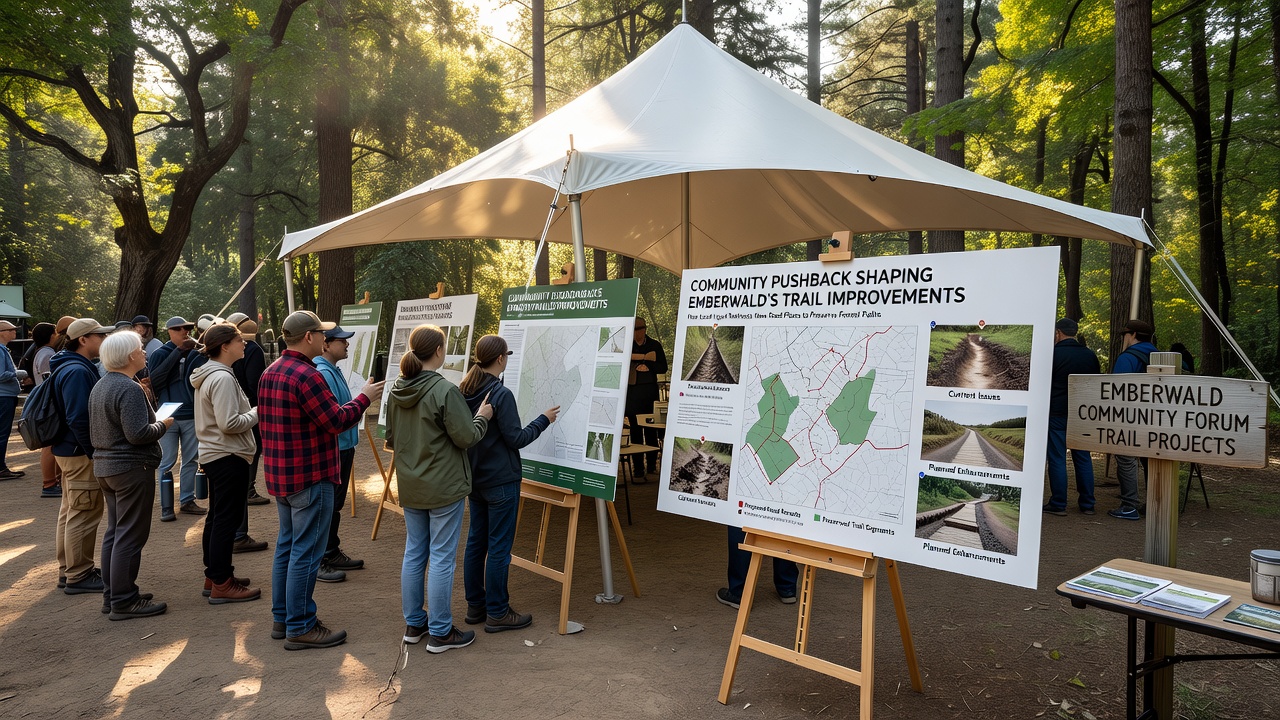
Public consultation records document over 1,200 written submissions between March and September 2025, many of which referenced potential impacts on wildlife corridors and noise levels near residential edges. In response, authorities integrated buffer zones along trail perimeters and rerouted certain loops away from sensitive wetlands, changes that align with guidelines from the European Environment Agency on sustainable forest access. A separate analysis by Canadian forestry researchers on comparable trail systems found that community-driven modifications improved long-term adoption rates by users who previously avoided busier access roads.
Meetings scheduled for October 2026 will present final designs for three remaining trail loops, with emphasis on connectivity to existing public transport stops rather than new vehicle lanes. Project leads have incorporated soil stabilization techniques and native plantings drawn from suggestions collected at prior events, and these elements appear in the latest engineering drawings now under environmental review.
Broader Patterns Observed in Forest Management
Similar shifts have appeared in other managed woodlands where initial road expansions met resistance, leading to expanded non-motorized networks that serve both recreation and monitoring needs. Data compiled by the Emberwald forest news archive indicates that trail mileage under active improvement now exceeds 14 kilometers, surpassing combined lengths of deferred road segments. Partnerships with academic institutions continue to supply monitoring protocols that measure visitor distribution and vegetation recovery along these routes.
Conclusion
Community input on road proposals has produced measurable changes in Emberwald trail improvement priorities, with updated plans emphasizing habitat preservation and user accessibility through October 2026 and beyond. Records from planning departments show continued integration of public recommendations into design specifications, while ongoing data collection supports adjustments based on observed usage and ecological indicators. These developments reflect documented responses to resident concerns within the framework of existing forest management frameworks.